A reflection on Black History Month

February historically commemorates the contributions of Africans in America, initially designated as “Negro History Week” by Carter G. Woodson in 1926 through his Association for the Study of African American Life and History (ASALH). Dr. Woodson spotlighted the narratives of African Americans, elevating them from being considered “chattel” or enslaved to recognizing their humanity and accomplishments. This legacy led to the official adoption of Black History Month by U.S. President Gerald Ford in 1976 during the nation’s bicentennial celebrations.

Reflecting on my heritage, I recall delving into my grandparents’ photo albums, seeking connection to ancestors who migrated from Mississippi’s Delta region to Michigan during the industrial boom. Despite my curiosity, I needed to gain knowledge of their lives and experiences. My grandmother, while protective of her memories, revealed fragments of our family history yet sometimes hinted at painful memories of the Jim Crow South, where segregation and limited opportunities prevailed. I knew when something would be rather sensitive when she would respond to my query with, “O’Landa, sometimes you just gotta let sleeping dogs lay.” As a child, I never considered the trauma of living in the Jim Crow South. I never thought about the pain of living in a world of “Whites only,” the bathrooms, the drinking fountains, and public accommodations. I never thought about sharecropping and limited access to education, where many would not complete an elementary education and were barred from voting under the threat of bodily harm or death.

In the context of Black History Month, the scripture from 1 Corinthians 12:27 resonates, highlighting the interconnectedness and value of each individual within the body of Christ. As a clinical chaplain, I interpret this through the lens of trauma-informed care, emphasizing the importance of listening to the narratives of those historically marginalized or oppressed. Acknowledging the trauma of systemic injustice, especially among descendants of the enslaved, underscores the need for compassionate engagement and support within the church community.

Over the next eighteen months, I have the privilege of collaborating on new pathways to share the gospel by leading the technology and media cohort for the Proclamation Project. The Proclamation Project in the Christian Church (Disciples of Christ) seeks to equip clergy with the tools to communicate the Gospel message effectively. This initiative aims to inspire deeper engagement with the Christian faith in today’s diverse cultural landscape by promoting faithful interpretation of scripture and innovative approaches to proclamation ministry. Through these efforts, the church endeavors to amplify marginalized voices, foster empathy, and advocate for justice and reconciliation in the ongoing pursuit of Christ’s love and salvation.

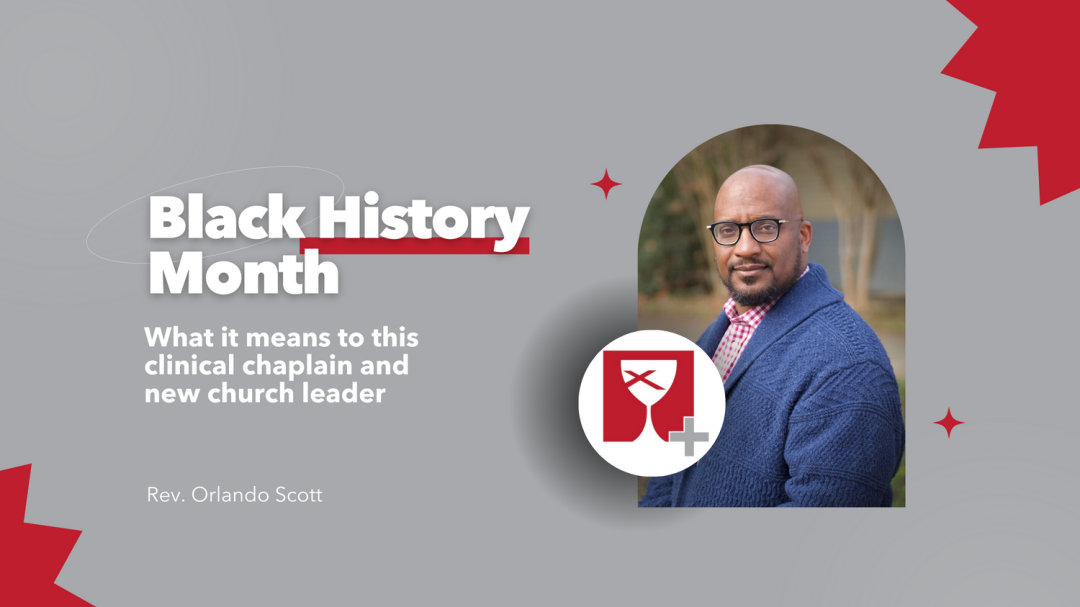
~ Rev. Orlando Scott, chaplain at Northside Hospital in Lawrenceville and Duluth, GA and pastor of Amplify Christian Church (DOC)

This post also appeared in the February 2024 issue of the New Church Know-It-All.

A prayer for Black History Month

On the first and third Tuesdays of the month, Water the Plants intercessors from across the United States and Canada gather with one another on the phone to pray for new congregations and their leaders, as well as regional and general or racial/ethnic ministries. They are led by a group prayer leader, who also focuses prayers on a theme, whether that’s new beginnings or rejoicing in giving.

At the latest group prayer call, Rev. Anita Cobb, Camp Ministry Committee Chair for the Pacific Southwest Region, led the gathered Disciples in a powerful prayer for emerging churches and their leaders in her region, as well as National Convocation and Black History Month.

Continue reading “A prayer for Black History Month”